
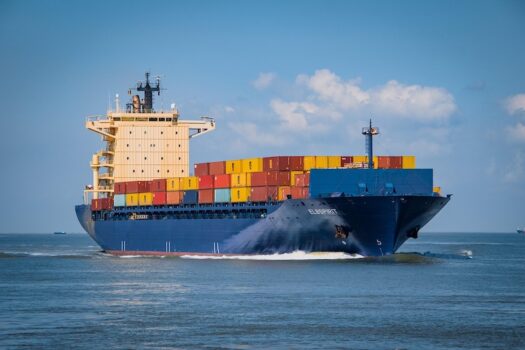
The Straits of Hormuz is a narrow stretch of water connecting the Persian Gulf to the Gulf of Oman and the wider Arabian Sea. At its narrowest point, the strait is only about 33 kilometers (21 miles) wide, making it one of the most strategically sensitive shipping lanes on the planet.
Every so often, geopolitical tensions bring one of the world’s most important maritime chokepoints back into the spotlight: the Strait of Hormuz. With the US and Israel – Iran conflict currently escalating, a question that emerges in policy debates and market discussions is whether the United States could realistically take control of this narrow but critical passage. The idea may sound straightforward on paper, but the reality is far more complex.
What is the Strait of Hormuz, and Why Is It So Important?
The Strait of Hormuz is a narrow stretch of water connecting the Persian Gulf to the Gulf of Oman and the wider Arabian Sea. At its narrowest point, the strait is only about 33 kilometers (21 miles) wide, making it one of the most strategically sensitive shipping lanes on the planet.
Why does it matter so much? Because roughly 20% of the world’s oil supply passes through this corridor every single day. Major energy producers – including Saudi Arabia, United Arab Emirates, Kuwait, and Iraq—ship a large share of their crude exports through the strait to global markets.
Any disruption to this passage can have immediate ripple effects across the global economy. Oil prices can spike, shipping insurance costs rise, and supply chains tighten almost overnight. That’s why traders, policymakers, and military strategists all keep a close eye on developments around the strait.
Can the US Take Over the Strait of Hormuz?
From a purely military perspective, the United States has the naval capabilities to control maritime traffic in the region temporarily. The U.S. Navy’s Fifth Fleet, based in Bahrain, routinely patrols the waters around the strait and works with international allies to maintain freedom of navigation.
However, “taking over” the strait is not as simple as deploying ships. The northern coastline of the strait belongs to Iran, which has invested heavily in defensive systems specifically designed to deter foreign military control. These include coastal missile batteries, naval mines, fast attack boats, and drones.
In practice, any attempt by the U.S. to fully seize control would likely trigger a large-scale military confrontation, something most policymakers aim to avoid. The strait is also considered international waters, meaning international law protects the right of passage for commercial ships.
For this reason, the U.S. strategy historically focuses less on “taking over” the strait and more on ensuring it remains open for global shipping.
What Might Happen If the US Took Over the Strait of Hormuz?
If the United States attempted to fully control the Strait of Hormuz, the consequences would extend far beyond the region.
First, energy markets would react immediately. Oil prices could surge as traders price in the risk of supply disruptions. Even the threat of closure in the past has sent crude markets sharply higher, highlighting how sensitive global energy systems are to events in this narrow corridor.
Second, the move could escalate tensions across the Middle East. Countries with strong ties to Iran might respond diplomatically or militarily, while Western allies might push for negotiations rather than escalation.
Third, global shipping routes could temporarily shift. Some oil producers have built pipelines that bypass the strait, but these alternatives can only carry a fraction of the total volume normally transported by tankers.
In short, a takeover scenario could create significant volatility in commodities, equities, and currencies, especially in markets tied closely to energy.
Final Word
The Strait of Hormuz remains one of the most strategically important waterways in the world. While the United States possesses the military power to influence security in the region, fully taking control of the strait would likely trigger serious geopolitical consequences.
In reality, global powers, including the U.S., are far more focused on keeping the passage open and stable rather than attempting to control it outright. For traders and investors, the key takeaway is simple: when tensions rise around the strait, markets tend to move fast, especially in oil and energy-related assets.
And in a world where energy security and geopolitics are deeply intertwined, the Strait of Hormuz will likely remain a focal point for both policymakers and financial markets for years to come.