
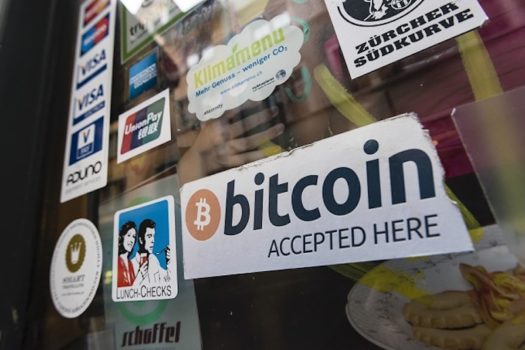
Bitcoin is on Wall Street, in pension funds, and accepted by some of the world’s biggest retailers. But where do you actually buy it, store it safely, and spend it? Here’s the complete 2026 guide to the best crypto exchanges, wallets, and merchants that accept crypto.
Updated May 2026
Crypto has come a long way from the days when using Bitcoin meant hunting down obscure platforms, crossing your fingers, and hoping the exchange hadn’t disappeared by morning. In 2026, Bitcoin is above $100,000, spot ETFs are trading on Wall Street, and the biggest names in finance have embraced digital assets. The infrastructure has genuinely grown up.
But that doesn’t mean all platforms are equal — or that choosing the wrong one can’t cost you real money. And beyond trading and holding, the practical question “where can I actually spend Bitcoin?” has never had more answers. Whether you’re just getting started, looking to trade seriously, trying to keep your holdings safe for the long haul, or simply want to use crypto at real merchants and ecommerce platforms, this guide covers the best options in 2026.
“Bitcoin is above $100,000 and trading on Wall Street. The question is no longer whether crypto is legitimate. The question is which platform you use — and that choice matters more than most people realise.”
What to Look for Before You Choose
Before diving into specific platforms, a few things worth checking for any exchange or wallet you’re considering:
- Regulation and licensing. Is the platform regulated in your country? Regulated exchanges are held to higher standards on security, fund segregation, and customer protection. It matters more than most people think until something goes wrong.
- Fees. Trading fees, withdrawal fees, and spread markups vary significantly. A platform that looks “free” often makes its money on the spread. Always check the actual cost of a transaction before committing.
- Security track record. Has the exchange been hacked? How did they handle it? A platform’s response to past incidents tells you a lot about how they’ll handle the next one.
- Available assets. Not all platforms support all coins. If you want to go beyond Bitcoin and Ethereum into altcoins, check first.
- Custody model. Do you control your private keys, or does the platform hold your assets? As the saying goes: not your keys, not your coins.
The Best Crypto Exchanges in 2026
The Best Crypto Wallets in 2026
An exchange is where you trade. A wallet is where you store. For any meaningful amount of crypto, keeping assets in an exchange account indefinitely is a risk. A wallet gives you direct control.
Where You Can Actually Spend Bitcoin and Crypto
This is where crypto gets genuinely practical. Spending Bitcoin directly — at real merchants, on real products — has expanded dramatically since 2020. Here are the major categories and the best options in each.
Major Retailers and Ecommerce
| Merchant | Category | How |
|---|---|---|
| Microsoft | Software / Gaming | Direct — add Bitcoin to your Microsoft account balance, spend on Xbox, Windows, apps, and subscriptions |
| Newegg | Electronics | Direct — one of the longest-running crypto-accepting retailers; BTC, ETH, and others at checkout |
| Overstock | Home / Furniture | Direct — was one of the first major retailers to accept Bitcoin; still active in 2026 |
| Shopify stores | General ecommerce | Via plugin — thousands of Shopify merchants accept crypto via Coinbase Commerce, BitPay, or NowPayments integrations |
| Etsy (select sellers) | Handmade / Creative | Via seller — individual sellers can accept crypto; check the payment options on listings |
| Home Depot | Home improvement | Via gift card — buy a Home Depot gift card using Bitcoin via Bitrefill or Gyft |
| Amazon | Everything | Via gift card — Amazon does not accept crypto directly but you can buy Amazon gift cards with Bitcoin via Bitrefill |
| Tesla | Automotive / Merch | Merch only — Tesla accepts Bitcoin and DOGE for merchandise. Vehicle purchases were briefly available and may return. |
Travel and Flights
Booking flights and hotels with crypto is now genuinely practical. Alternative Airlines accepts over 100 cryptocurrencies across 600+ airlines — our complete guide to booking flights with crypto covers this in detail. Travala.com accepts BTC, ETH, BNB, and 50+ others for hotels, flights, and activities. Bitrefill lets you buy airline gift cards with Bitcoin, including for most major carriers.
Food and Restaurants
Crypto acceptance at restaurants varies by city and country. The most reliable method is a crypto debit card — Coinbase Card, Crypto.com Visa, or Bybit Card — which converts crypto to fiat at point of sale, making it accepted everywhere Visa or Mastercard is. Some fast food chains in the US including Burger King and Subway have run crypto payment pilots, though availability varies. Starbucks partners with Bakkt to allow crypto-to-cash conversion that can be used in store.
Gaming and Entertainment
Microsoft / Xbox is the clearest gaming option — add Bitcoin to your account and spend on games, DLC, and subscriptions. Steam briefly accepted Bitcoin and may revisit as crypto payments infrastructure improves. A large number of gaming platforms accept crypto natively, particularly in the play-to-earn and Web3 gaming space.
The Gift Card Route — Spend Crypto Anywhere
The most flexible approach for spending crypto at merchants that don’t accept it directly: convert to gift cards via Bitrefill or Gyft. Both platforms accept Bitcoin and other major cryptocurrencies and let you buy gift cards for hundreds of major brands — Amazon, Apple, Google Play, Uber, Airbnb, and more. It adds one step but makes crypto spendable virtually anywhere.
Other Notable Platforms
The history of crypto is full of platforms that were credible right up until they weren’t. FTX was one of the largest exchanges in the world in 2021. BlockFi was a household name. Both collapsed, taking customer funds with them. The lessons that remain relevant in 2026: don’t keep more on an exchange than you’re actively trading. Use a hardware wallet for long-term holdings. Enable two-factor authentication on every account. Never share your seed phrase with anyone, for any reason, ever.
The Bottom Line
Crypto infrastructure and regulation in 2026 is better than it has ever been. The exchanges are more regulated, the wallets are more user-friendly, and the range of places to spend crypto has expanded to cover almost every category of daily spending.
For most people starting out, Coinbase or Kraken covers everything you need for buying and holding. For serious trading, Binance or Bybit. For secure long-term storage, a Ledger hardware wallet is the standard recommendation. For spending crypto at real merchants, a crypto debit card is the most friction-free option — and the gift card route via Bitrefill covers everything else.
The technology has grown up. The tools are there. The question now is what you do with them.
This article is for informational purposes only and does not constitute financial advice. Crypto assets are volatile and you can lose money. Platform availability varies by country. Always do your own research before depositing funds on any platform.