Nasdaq 100 Futures Sink 4% as Crypto Hack and Inflation Fears Hit Tech
Nasdaq 100 futures are down over 4% as a reported multi-billion-dollar Binance hack triggers crypto contagion and rising inflation pressures growth valuations.
Global market intelligence for every trading day, from the European open to the US close. The key points, what is moving markets and why.
Nasdaq 100 futures are down over 4% as a reported multi-billion-dollar Binance hack triggers crypto contagion and rising inflation pressures growth valuations.
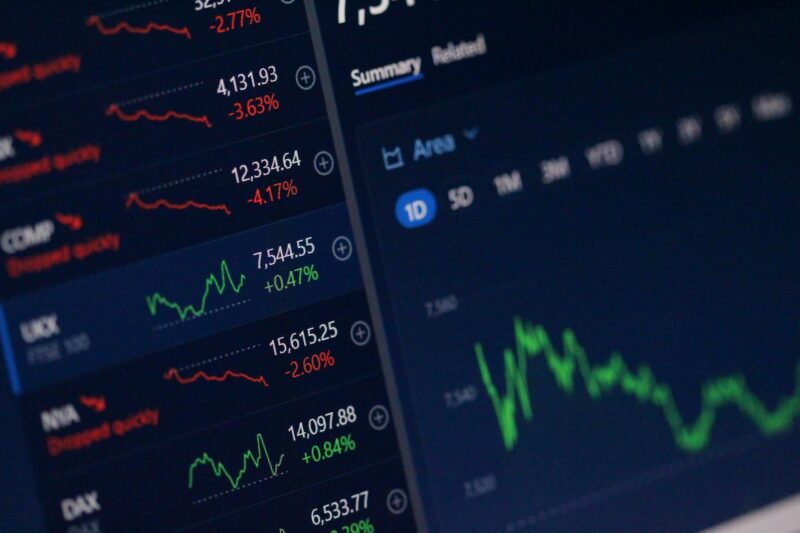
US cash markets are open and under heavy pressure right now. The Nasdaq 100 is down 4.03%, the S&P 500 off 2.12%, and the Dow down 1.38%, with the VIX jumping 22.73% to signal a sharp shift in sentiment. This is a broad-based tech and growth selloff, not a market-wide crash, but the speed and breadth matter.
Two forces are colliding today. First, a suspected $3+ billion Binance hack has triggered acute contagion fears in crypto—Bitcoin, Ethereum, and BNB are all sharply lower, and crypto-adjacent equities like Coinbase, Robinhood, and Circle are imploding as Tether and Circle freeze billions in assets. Second, inflation expectations are rising (Tokyo CPI beat, Fed inflation surprise), which erodes valuations for richly-priced growth stocks like Nvidia and the Magnificent Seven. Chip demand signals are also softening—SanDisk earnings miss and Apple guidance caution suggest the AI infrastructure super-cycle may be decelerating. Defensives and energy are outperforming; crude is up 2.28% on Iran tanker fires. Gold and silver are down despite typical haven flows, indicating this is pure risk-off profit-taking, not flight-to-safety.
Watch the October jobs report and any Fed communications for confirmation that terminal rates stay elevated—if inflation sticks, multiple compression in tech will continue.
Google Cloud doubled in a single year, and Alphabet’s stock still fell almost 10% after Q3 earnings. Here is what happened, why investors sold, and whether…
SpaceX crushed Q3 expectations, but the stock still trades on projections. Here is the revenue SPCX needs to reach $200 and $300.
XRP trades around $1.30, about 66% below its all-time high, and has fallen further than Bitcoin and Ether since last August. Here are four reasons it…
Wall Street's worst day since July. KOSPI down more than 7% in early trading. Analysts from Michael Burry to the IMF warn a crisis may be…
Natural gas is up about 15% in a month even though US output is at records. We look at whether supply or demand is winning, and…
The Brief is compiled automatically from live headlines and market data, using AI tools. Our team sets the sources, the tone and the editorial rules, but individual briefs are not edited line by line, so treat it as a fast summary and check primary sources for anything you plan to act on.
Twice per trading day. The European Session Brief is published in the morning GMT and the US Session Brief in the evening GMT. The exact time of each brief is shown on its card. Prices in Markets Today refresh every couple of minutes.
Markets are closed, so the page keeps showing the last trading-session brief and says when it was written. Words such as “now” or “today” inside a brief refer to the time it was written.
Futures trade almost 24 hours a day, five days a week. Unlike cash indices, which only trade during US market hours, futures reflect global sentiment at any hour.
We aggregate from financial news wires, RSS feeds and market data providers, the same sources that power our Markets News & Sentiment Analyzer.
Treat breaking-news details, such as hacks, deals or geopolitical events, as early reports that can change. Check primary sources before acting on any single claim.
No. The Brief is a news summary for informational purposes only. Always do your own research before making investment decisions.